But the dreams of drought remediation were dashed when it became clear the jet stream did not have more lined up in the new year.
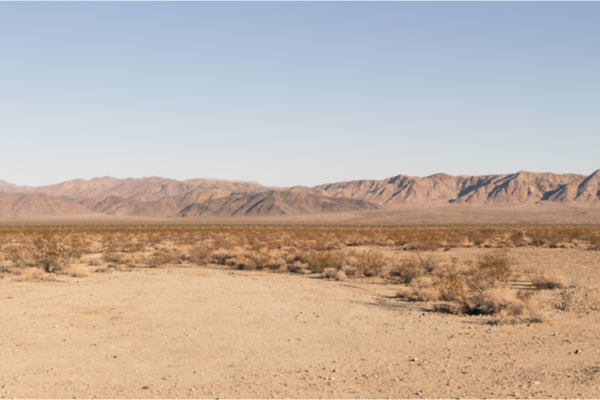
In January of 2022, less than a tenth of an inch of rain fell in Los Angeles, making it the eighth-driest January on record for the city. Halfway through February, things only got worse. This year is off to a record-dry start.
Fluctuations like these are becoming more pronounced due to climate change. “There’s good documentation that, in fact, there is less rainfall. What seems to be happening according to most of the climate scientists is we’re getting longer, drier periods,” said David Feldman, professor of urban planning and public policy at University of California at Irvine, and director of
Water UCI. “But the irony is those longer, drier periods are punctuated by very intense storm events.”
Park Williams, a climate scientist at UCLA and the study’s lead author, said it will take several years of above-average rain and snowfall to cut through the megadrought. “It’s extremely unlikely that this drought can be ended in one wet year,” he said.
—
Photo Credit: RoSy76 / Shutterstock.com